What's Changing? - Compassion

Please see below key recent compassion-related change.
See also:
- What's New? - Compassion
- What's Changing? - Animals
- What's Changing? - Empathy
- What's Changing? - Kindness
April 2024



Please see below key recent compassion-related change.
See also:
April 2024

Please see below recent respect-related change.
See also:
February 2024
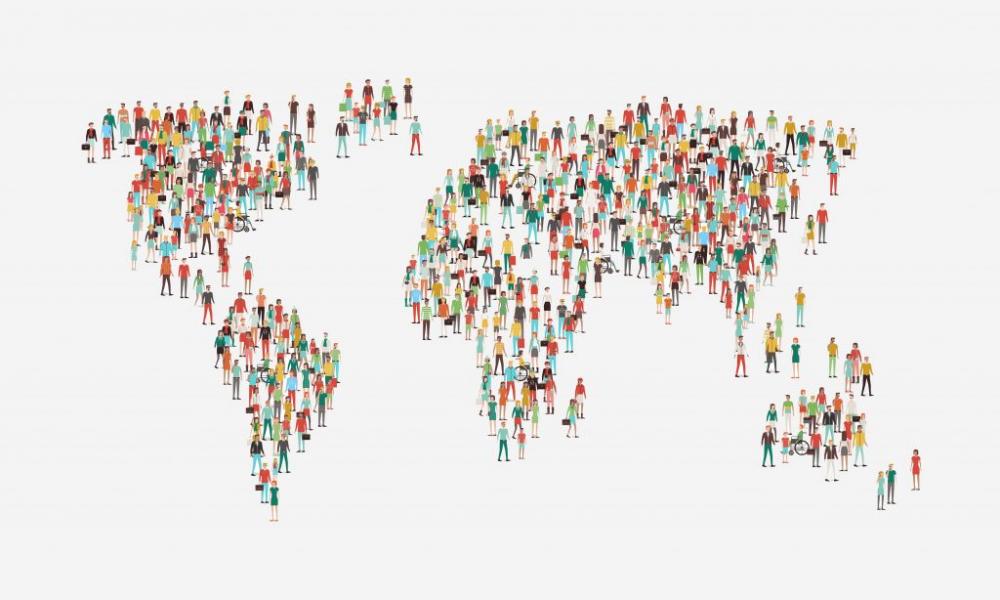
What if we could honour everyone - the estimated 110 billion or so humans who have ever lived?
Of course, our most urgent challenge right now is to keep working towards the goal of giving everyone alive right now access to basic needs - to water and food, security, health, education etc - and it's painfully clear that, with e.g. growing numbers of orphans around the world, we still have a huge task still ahead of us. (And yes, let's unashamedly say "us", rather than fall back on the third person, abstract term "humanity" that somehow suggests it's someone else's problem.)

Halcyon curates the most significant respect-related content from carefully selected sources. Please contact us if you'd like our help with respect-related challenges.

If the past is replayed too fast, life seems futile, and humanity resembles water flowing from a tap, straight down the drain. A film of history for today needs to be in slow motion, showing every person who ever lived as a star, though dimly visible in a night sky, a history still unexplored - Theodore Zeldin, An Intimate History of Humanity
A call to action. Time to explore these unexplored histories together.
Give to every human being every right that you claim for yourself. ~ Robert Green Ingersoll
At school, even in kindergarten, you teach us to behave in the world. You teach us: not to fight with others, to work things out, to respect others, to clean up our mess, not to hurt other creatures, to share - not be greedy. Then why do you go out and do the things you tell us not to do? - Severin Suzuki, 12 year old girl making speech to UN
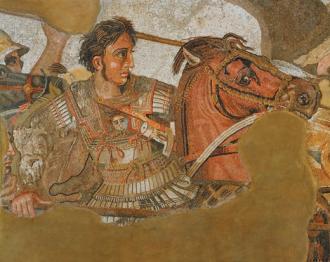
Pace David Bowie, and in the light of the hagiography building in some quarters around the late Steve Jobs, one wonders who are the real enduring, beyond "just for one day" heroes, ancient and modern?
A good candidate from my childhood is Alexander the Great, from the moment I first shed a tear when reading in a Ladybird history book (a constant companion, and part of a set which I preserve with fondness and gratitude to this day) about Alexander dying (at just 33, thereby giving him a special bond with Jesus in my young mind) "far from his homeland". As a long-standing, albeit non-heroic exile from my own homeland, this still resonates...
You should respect each other and refrain from disputes; you should not, like water and oil, repel each other, but should, like milk and water, mingle together - Buddha
We could define love...as a kind of respect, a sensitivity by one person to another's existence. To be shown love is to feel ourselves the object of concern - Alain de Botton, Status Anxiety, p11