What's Changing? - Space
Please see below selected recent space-related change.
See also:
Space isn't remote at all. It's only an hour's drive away if your car could go straight up - Fred Hoyle
April 2024



Please see below selected recent space-related change.
See also:
Space isn't remote at all. It's only an hour's drive away if your car could go straight up - Fred Hoyle
April 2024

Please see below selected recent environment-related change.
See also:
Please see below selected recent food-related change.
See also:
April 2024

Please see below selected recent wellbeing-related change.
See also:
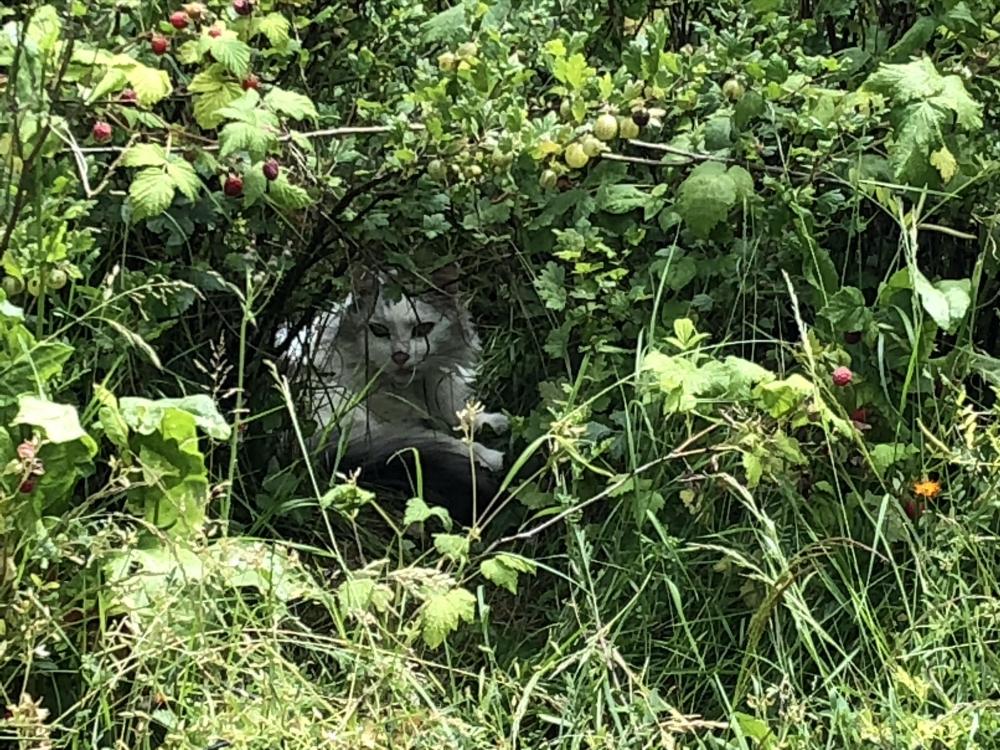
“This is happiness,” Willa Cather’s fictional narrator gasps as he sinks into his grandmother’s garden, “to be dissolved into something complete and great.” A generation later, in a real-life counterpart, Virginia Woolf arrived at the greatest epiphany of her life - and to this day perhaps the finest definition of what it takes to be an artist - while contemplating the completeness and greatness abloom in the garden.

Halcyon curates the most significant environment-related content from carefully selected sources. Please contact us if you'd like our help with environment-related challenges.
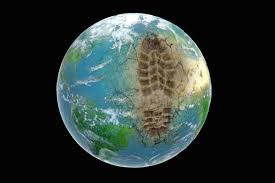
Are we now entering the Anthropocene, an age shaped primarily by people?
Some geologists say we are already living in the Anthropocene age: the age of man. For example, almost 90% of the world’s plant activity, by some estimates, is to be found in ecosystems where humans play a significant role, thereby putting further strains on the planet's resilience.
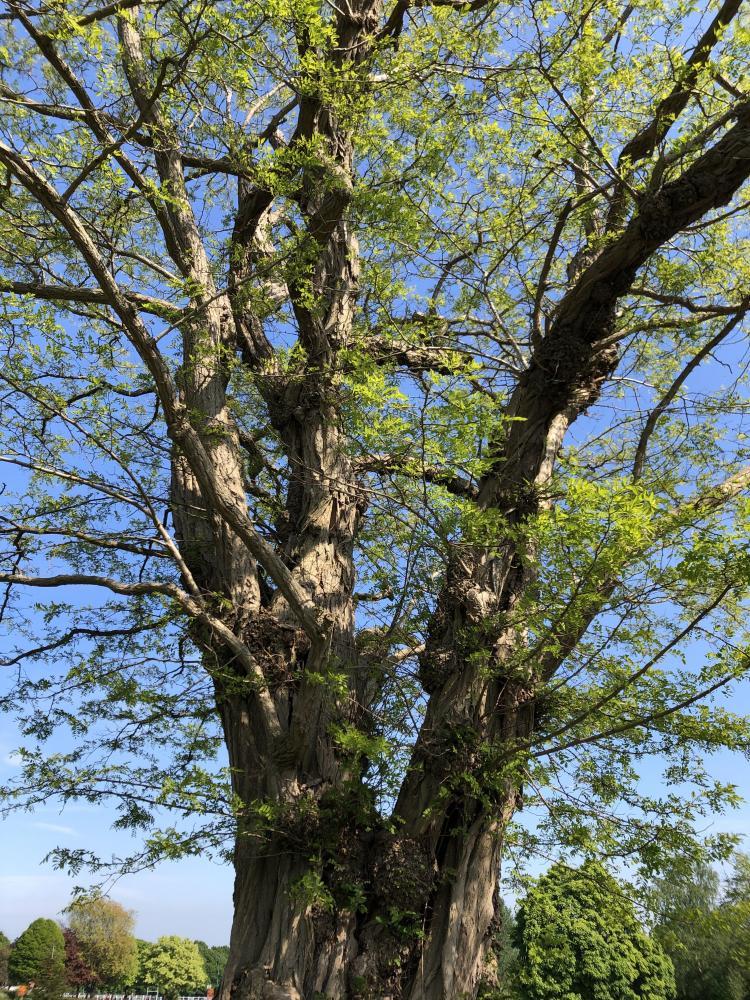
For me, trees have always been the most penetrating preachers. I revere them when they live in tribes and families, in forests and groves. And even more I revere them when they stand alone - Herman Hesse
As a member of The Woodland Trust, I regularly signed petitions to preserve ancient woodlands and unique trees. Does this make a difference? The battle is an ongoing one, but worth fighting, if necessary tree by tree.

Please see below selected recent place-related change.
See also:
May 2023
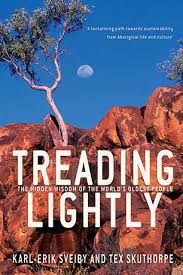
Karl-Erik Sveiby on aboriginal cultures: